
How Kids Can Improve Drawing Skills Faster with the Right Guidance?
Written by
CalColor
,
May 18, 2026
The process of helping children improve their drawing skills to enhance their artistic abilities needs to be done through simple methods. Most kids already love to draw, so the interest is already there. The main difficulty exists because we need to demonstrate skill improvement methods that should not make learning boring. The correct structure, together with tiny habits and minimal direction, enables progress to occur at a speed that exceeds typical parent expectations.
This blog keeps things simple and practical. No fluff. Just ideas that actually work. If you are looking for real kids drawing skills improvement, you will find steps here that you can start using right away.
Why Some Kids Improve Faster Than Others
Some kids seem to get better quickly, while others stay at the same level for months. It is not about talent most of the time. It usually comes down to guidance. Kids who improve faster get feedback regularly, practice with purpose, and learn the basics early. Others just draw randomly without direction. That is the real difference. Without guidance, kids repeat the same drawings again and again. It feels fun, but progress stays slow.
Start with the Basics of Drawing Skills for Kids
Before anything advanced, kids need strong basics. Skipping this step only slows them down later. This is where drawing skills for kids really begin. Simple things like lines, shapes, and control matter more than people think. Understanding how objects are formed builds confidence early. It may feel basic, but this is what supports everything else. Once kids understand the foundation, learning new skills becomes much easier.
Want faster drawing progress for your child?
Keep Practice Short but Consistent
Long practice sessions rarely work for kids. They lose interest quickly and start rushing. Instead, keep it short and regular. People need to spend between 20 and 30 minutes on their daily activities. Drawing practice for children establishes their routine without creating any burden for them. Actual progress happens through the practice of consistent training. Daily practice of basic exercises achieves results at a faster rate than doing extended workouts during infrequent training sessions.
Give Clear and Simple Feedback
Telling a child “that looks nice” does not help much. They need clear direction. Say what works and what needs improvement. For example, point out if the shape is off or if the shading needs blending. Keep it simple and easy to understand. This is one of the most useful kids art improvement tips. When kids know exactly what to fix, they improve faster and stay more engaged.
Use Reference Images the Right Way
A lot of kids rely only on imagination, which limits growth. Reference images help them notice details they usually miss. Start with simple subjects like objects, animals, or cartoon characters. Over time, this improves observation skills. When kids learn how to see properly, their drawings naturally become better.
Let Kids Make Mistakes Without Pressure
Perfection slows learning. Children require freedom to learn through trial-and-error methods. Children will stop exploring new possibilities when they experience judgment from others. Progress becomes delayed at that moment. Learning requires students to make mistakes because errors constitute a necessary component of their educational journey. Children achieve better growth outcomes when they have the confidence to explore unfamiliar territories.
Join Structured Kids Art Classes
Sometimes guidance at home is not enough. This is where kids art classes make a real difference. A structured setup gives kids a clear path to follow. The students receive continuous feedback, which enables them to progress through learning stages instead of trying to guess their required actions. The program supports their achievement of consistency, which most people find difficult to maintain.
Try Creative Art Classes for Skill Expansion
Once the basics are strong, kids need variety to keep growing. This is where creative art classes help. They introduce new styles and techniques and new materials to their work. The method creates an educational atmosphere which keeps students interested while stopping them from becoming bored. Children begin to develop their own creative thinking skills because they stop imitating everything they observe.
Real Progress Takes the Right Environment
The environment plays a bigger role than most people expect. In places like art classes in San Jose, kids learn in a focused and structured setting. That kind of environment supports faster improvement because everything is designed for learning. It is not just about drawing more. It is about learning the right way.
Use Seasonal Programs Like Children's Summer Camp
Vacations can either slow progress or speed it up. The children's summer camp provides important educational benefits. The program gives children extra time to practice their skills, which allows them to experiment with different activities while remaining focused because school interruptions do not occur. The process results in measurable progress, which becomes evident within a brief time frame.
Build a Simple Routine That Sticks
You do not need a complicated plan. Keep it simple and repeatable:
- Start with basic warm-ups
- Practice one skill at a time
This kind of structure supports steady kids drawing skills improvement without overwhelming the child.
How We Approach This at CalColor Academy
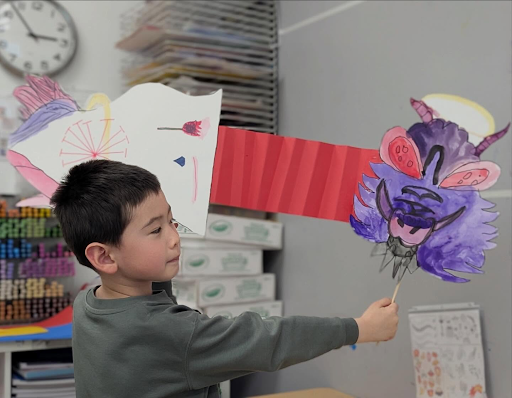
At CalColor Academy, we see this every day. Kids come in at different levels. Some struggle with basics, while others just need better direction. Our approach is simple. We establish strong fundamental skills while we provide clear feedback and maintain active learning throughout our educational program. We do not rush things.
Our step-by-step guidance method helps children develop their skills while maintaining their self-assurance. Actual advancement requires a proper equilibrium between organized systems and imaginative processes.
Conclusion
Helping a child improve at drawing is not about pushing harder. It is about guiding smarter. Keep things simple, stay consistent, and give the right feedback. Most importantly, make sure the child enjoys the process. That is what leads to real kids drawing skills improvement over time.
Ready to level up your child’s drawing skills?
FAQs
1. How does CalColor Academy help with kids drawing skills improvement?
At CalColor Academy, we focus on structured learning and consistent feedback. Our programs support kids' drawing skills improvement through structured lessons and practice activities, which they receive through individual learning support. The teaching process begins with basic skills, which students learn before they progress to advanced techniques that enable faster development without causing them stress.
2. How often should kids practice drawing to improve quickly?
Kids should practice drawing at least four to five times a week for about 20 to 30 minutes per session. Short and consistent practice works better than long, irregular sessions. This helps build muscle memory, improves focus, and keeps the process enjoyable without causing stress or burnout over time.
3. What is the best age for kids to start learning drawing seriously?
Children between four and five years old can begin learning drawing fundamentals. The current stage requires students to practice basic shape drawing while developing their hand control skills through enjoyable activities. Children between seven and eight years old can start more structured learning because they have developed better instruction comprehension and basic concept application skills.
4. Do art classes really make a difference in a child’s progress?
Yes, structured art classes can make a big difference in a child’s growth. They provide clear guidance, regular feedback, and a step-by-step learning process. Kids also stay more consistent in a class environment, which helps them improve faster compared to learning on their own without direction or support.
Author Bio
CalColor provides art education for young artists through regular classes, children's art programs, and seasonal art camps. Its programs are designed to develop creative skills and support students interested in artistic development, portfolio preparation, and progression toward art education opportunities.
(408) 818-8818CalColor AcademyWays to Help Kids Build Confidence Through Summer Activities
How Art Helps Children Express Their Ideas and Feelings?
Why Summer Is the Perfect Time for Young Artists to Explore Creativity?
Why Every Creative Child Should Experience an Art Summer Camp?
How an Art Class for Kids Improves Focus, Patience, and Problem-Solving Skills
How to Find the Right Creative Program for Your Learning Goals?
How a Children's Art Camp Supports Emotional and Social Development?
The Benefits of Joining Professional Art Classes for Skill Development
Fun Art Projects Kids Can Explore at a Children’s Art Camp
Why a Children’s Art Camp Helps Kids Build Creativity and Confidence?
Why Art Summer Camps Are Perfect for Creative Kids?
How Summer Art Programs Boost Creativity and Confidence?
How Kids Can Improve Drawing Skills Faster with the Right Guidance?
How an Art Class for Kids Encourages Imagination and Self-Expression
Top Benefits of Joining an Art Class for Kids at an Early Age
5 Benefits of Registering Your Child for an Art Summer Camp
Discover 5 benefits of enrolling your child in an art summer camp, including creativity development, social skills, confidence building, and fun learning.
Why Every Child Should Experience a Children’s Art Class?
The Perfect After-School Activity: Art Classes in Mountain View for Kids
How Art Classes for Kids Encourage Emotional and Cognitive Growth?

Discover the Best Art Classes in Fremont for Kids
5 Reasons to Enroll Your Child in a Children’s Art Class Today

10 Reasons Why an Art Class for Kids Boosts Creativity and Confidence

How a Children’s Art Class Can Inspire Lifelong Passion?

Unlock Your Child’s Creativity with Art Classes in Belmont

How Does a Children’s Art Class Help with Emotional Development?

How Does an Art Class for Kids Boost Creativity and Confidence?

What Should You Look for When Choosing Art Classes in Mountain View?

What Makes Fremont Art Classes So Popular in 2025?

2025 IAMA Youth Art Contest and Exhibition
Unlock Your Child’s Artistic Potential: Finding the Right Art Class for Kids

Artistic Eyes: Exploring the Secrets of Composition

8/10 CalColor Open House tryout Classes Invitation

Teen Boot Camp: The Winning Strategy for College Applications

An Artistic Summer to Renew Kids’ Life: 4 Key Logics Reveal the Value of Art Camps

Brush of the Future: How Digital Art Empowers Children's Path to College and Career

Summer Camp Carnival: A Must-Attend Artistic Feast for All Ages

How to Visit an Art Museum – A Guide for Families

Changing Perspectives: How Art Transforms Students' Views of the Everyday
CalColor Academy's younger students recently explored car interiors. Students typically draw the outside of cars, but we asked them to focus on the details of dashboards, steering wheels, and AC vents. Different age groups used various techniques: younger students focused on basic shapes and one-point perspective, while older students honed advanced skills like hand drawing and shadow incorporation. These projects highlighted how art can change our perspective, revealing the extraordinary in the every day, a valuable lesson for our students on their artistic journeys.
Featured Articles
Business hours
Regular School Year Hours
(Aug 10, 2026 - May 30, 2027)
Mon - Fri: 2:00pm - 7:00PM (Newark closed on Mon)
Sat & Sun: 9:00AM - 6:30PM


