
Why Art Summer Camps Are Perfect for Creative Kids?
Written by
CalColor
,
May 28, 2026
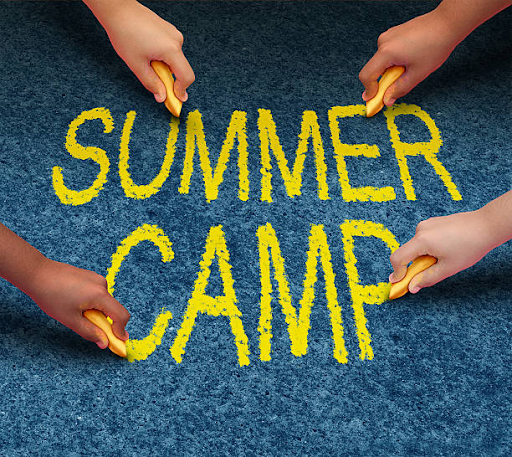
Summer break sounds amazing at the beginning. No alarms. No homework. No rushing out the door in the morning. Kids love it for the first week or two. Then something starts happening. They get restless. They bounce around from one thing to the next, and then suddenly every parent starts hearing the same line, “I’m bored.”
For kids who naturally love sketching, making things, and turning random ideas into something lively, just sitting around all day gets old fast. That is kinda exactly why art summer camp for kids have become such a really good choice. They keep kids busy while giving them a space where creativity can actually breathe easy, and not feel squeezed.
Why creative summer camps for kids feel different
Not every kid wants to spend the summer running around a field all day. Some do, and that is great. But some kids are wired differently.
Some children notice colors everywhere. Some sketches in the corners of notebooks during school. Some spend an hour building weird little creations out of paper and tape just because an idea popped into their head.
Those kids usually need something beyond just "staying busy."
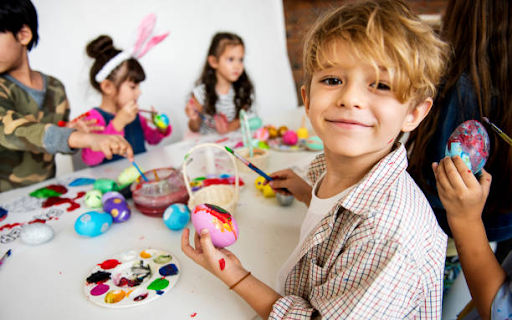
Art camps feel different because there is less pressure and more freedom. Kids aren’t really chasing numbers or trying to top someone else. They get room to think, to test little ideas, to mess up and then start over, without that heavy “you failed” feeling.
It really matters more than people tend to believe.
A kids' art summer camp turns imagination into something real
Kids have endless ideas floating around in their heads all the time.
A giant robot dog. A castle in the clouds. A superhero with ten different powers. Adults forget how wild kids' imaginations can be.
The cool thing is that a camp environment gives them tools to actually create those ideas instead of just talking about them. Suddenly, that random thought becomes a drawing, a painting, or an actual project sitting in front of them.
Kids get excited when something from their imagination becomes real. You can literally see it on their faces.
Ready for a creative summer?
Why art camps for creative kids build confidence naturally
Confidence is funny because kids usually do not build it through lectures. They build it through small wins.
Maybe they finish something they thought would be hard. Maybe they learn a new technique. Maybe they create something and hear another kid say, "Wow, that looks really cool."
Those little moments stack up.
Art also teaches kids something important. Things do not always have to be perfect, I mean it. A mistake isn’t really the same as starting again from zero, like a full reboot of everything. Sometimes what looks like a wrong turn, actually turns into the best part of the project, the real sweet spot.
And, yep, that kind of lesson carries right over into everyday life as well too.
Kids learn more than people expect from an art class for kids
People sometimes hear "art camp" and imagine kids simply painting for hours. There is a lot more going on under the surface than you can see.
Kids are learning how to zero in on one thing for longer stretches of time. They pick up patience, too, especially when stuff is not going exactly the way they had imagined, or when plans go a bit sideways. They practice making choices, sort out little problems, and sort of figure things out on their own, bit by bit.
And without ever noticing, they are stacking those kinds of abilities; they’ll still be using them long after summer ends.
A summer art camp makes friendships easier
Making friends is easy for some kids. For others, not so much.
The nice thing about art is that conversations happen naturally. Kids sit beside each other and start asking simple questions.
- "What color did you use?"
- "How did you draw that?"
- "Can I see your idea?"
Nobody feels forced into awkward introductions. Friendships start happening in a more natural way because they are already sharing something they enjoy.
Why parents like art summer camps for kids
Parents are usually trying to find something that keeps kids active without feeling like summer school. That balance can be hard.
Art camps tend to land right in the middle. Kids are learning and staying mentally engaged, but they are also having fun. Plus, many parents quietly appreciate getting a break from endless screen time battles during summer.
And if we are being real, seeing your child come home excited about something they made feels pretty good too.
The energy inside a drawing and art summer camp
One reason kids stay interested is that things keep changing.
One day, they may work on sketching. Another day, they might explore painting techniques or experiment with new materials. Every project feels a little different.
Kids love variety. If every day looked exactly the same, they would lose interest fast. The surprise factor keeps them curious.
What we see at CalColor Academy
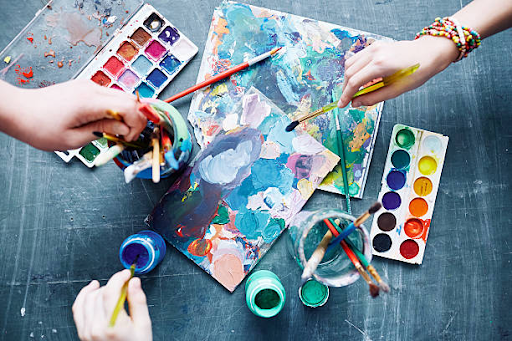
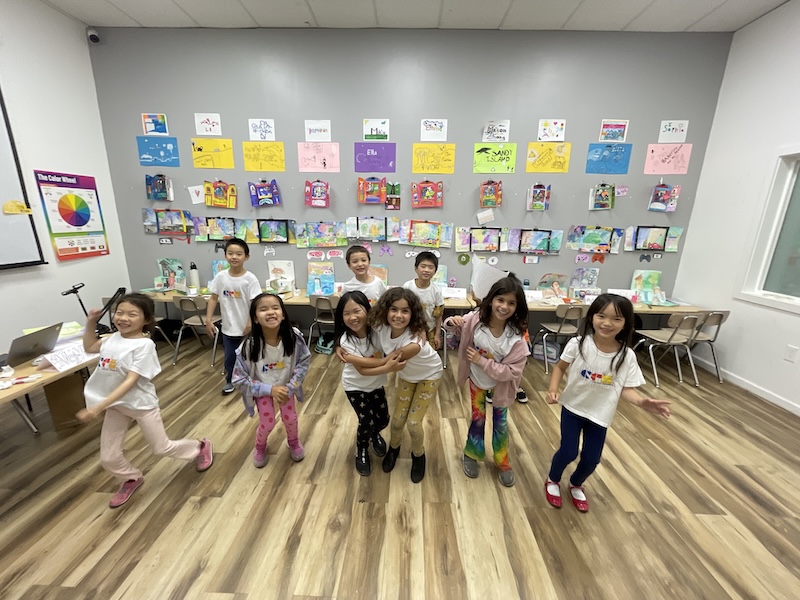
At CalColor Academy, we see this happen every summer.
Some kids walk through the door excited right away. Others walk in quietly and stay close to their parents during the first few minutes.
We believe an art camp for kids should be a place where children feel comfortable exploring, creating, and simply enjoying the process.
Conclusion
Summer should not be a season of filling empty days.
It should be something fun, something new, something that builds confidence and something that makes new friends for creative kids. The right art summer camp can provide experiences that will stay with kids well after vacation.
Sometimes, that one summer experience is the one thing they talk about for years.
FAQs
Q. Are there different age summer art camps for kids at CalColor Academy?
Yes. CalColor Academy provides programs for varying age ranges and skill levels for children to learn in an environment that is comfortable to them. Activities are appropriate for their age, abilities and creative interests, but not overwhelming.
Q. What happens during an art summer camp?
Children typically are given opportunities to explore creative activities such as drawing, painting and hands-on projects. They gain new techniques too, work on ideas and develop creative thinking skills and still enjoy it and keep it fun and engaging.
Q. Do art summer camps belong to a specific age group?
Not at all. Prior art experience is not required for children to enjoy art camps! Children join because they are interested in something new and get to discover interests and creative skills they never knew they had.
Q. But can art camps benefit children in their everyday lives?
Yes. Children's focus, patience, confidence and communication skills can be enhanced through art activities. They also learn to think independently, solve problems, and feel more comfortable sharing ideas in various scenarios.
Author Bio
CalColor provides art education for young artists through regular classes, children's art programs, and seasonal art camps. Its programs are designed to develop creative skills and support students interested in artistic development, portfolio preparation, and progression toward art education opportunities.
(408) 818-8818CalColor AcademyWays to Help Kids Build Confidence Through Summer Activities
How Art Helps Children Express Their Ideas and Feelings?
Why Summer Is the Perfect Time for Young Artists to Explore Creativity?
Why Every Creative Child Should Experience an Art Summer Camp?
How an Art Class for Kids Improves Focus, Patience, and Problem-Solving Skills
How to Find the Right Creative Program for Your Learning Goals?
How a Children's Art Camp Supports Emotional and Social Development?
The Benefits of Joining Professional Art Classes for Skill Development
Fun Art Projects Kids Can Explore at a Children’s Art Camp
Why a Children’s Art Camp Helps Kids Build Creativity and Confidence?
Why Art Summer Camps Are Perfect for Creative Kids?
How Summer Art Programs Boost Creativity and Confidence?
How Kids Can Improve Drawing Skills Faster with the Right Guidance?
How an Art Class for Kids Encourages Imagination and Self-Expression
Top Benefits of Joining an Art Class for Kids at an Early Age
5 Benefits of Registering Your Child for an Art Summer Camp
Discover 5 benefits of enrolling your child in an art summer camp, including creativity development, social skills, confidence building, and fun learning.
Why Every Child Should Experience a Children’s Art Class?
The Perfect After-School Activity: Art Classes in Mountain View for Kids
How Art Classes for Kids Encourage Emotional and Cognitive Growth?

Discover the Best Art Classes in Fremont for Kids
5 Reasons to Enroll Your Child in a Children’s Art Class Today

10 Reasons Why an Art Class for Kids Boosts Creativity and Confidence

How a Children’s Art Class Can Inspire Lifelong Passion?

Unlock Your Child’s Creativity with Art Classes in Belmont

How Does a Children’s Art Class Help with Emotional Development?

How Does an Art Class for Kids Boost Creativity and Confidence?

What Should You Look for When Choosing Art Classes in Mountain View?

What Makes Fremont Art Classes So Popular in 2025?

2025 IAMA Youth Art Contest and Exhibition
Unlock Your Child’s Artistic Potential: Finding the Right Art Class for Kids

Artistic Eyes: Exploring the Secrets of Composition

8/10 CalColor Open House tryout Classes Invitation

Teen Boot Camp: The Winning Strategy for College Applications

An Artistic Summer to Renew Kids’ Life: 4 Key Logics Reveal the Value of Art Camps

Brush of the Future: How Digital Art Empowers Children's Path to College and Career

Summer Camp Carnival: A Must-Attend Artistic Feast for All Ages

How to Visit an Art Museum – A Guide for Families

Changing Perspectives: How Art Transforms Students' Views of the Everyday
CalColor Academy's younger students recently explored car interiors. Students typically draw the outside of cars, but we asked them to focus on the details of dashboards, steering wheels, and AC vents. Different age groups used various techniques: younger students focused on basic shapes and one-point perspective, while older students honed advanced skills like hand drawing and shadow incorporation. These projects highlighted how art can change our perspective, revealing the extraordinary in the every day, a valuable lesson for our students on their artistic journeys.
Featured Articles
Business hours
Regular School Year Hours
(Aug 10, 2026 - May 30, 2027)
Mon - Fri: 2:00pm - 7:00PM (Newark closed on Mon)
Sat & Sun: 9:00AM - 6:30PM


