
How a Children's Art Camp Supports Emotional and Social Development?
Written by
CalColor
,
August 19, 2026
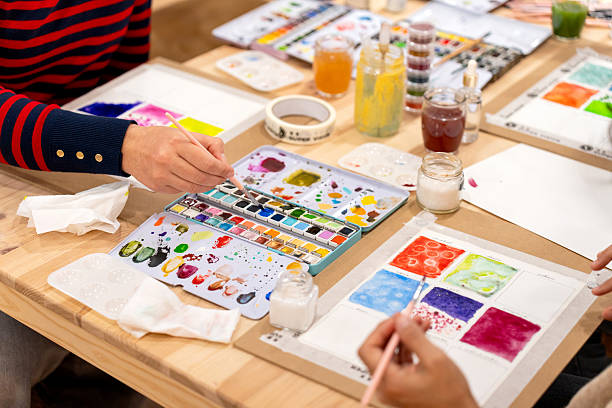
Walk into a children's art camp during the second week of summer, and you might notice something surprising. It isn't just quiet focus. You’ll hear muffled debates over who gets the better brush, quiet laughter over a spilled water jar, and children asking their neighbor for advice on a color choice.
Parents often assume we are here just to teach technique. Indeed, learning skills is very significant; however, most significant of all are things that happen between the lines. Art gives a silent way to assist children in building the emotional strength required in the future.
Navigating the Studio Social Scene
The art classroom operates as a unique social ecosystem. Children learning next to each other not only create art; they learn how to coexist in that unique environment.
- Allocation of scarce resources teaches children to negotiate and be fair.
- Seeing one’s peer go through difficulties and come out successful makes them empathetic.
- Group activity makes them listen to an opinion that is not theirs.
- Feedback on the work of someone sitting next to you makes them observant and tactful.
By sending your child to an art camp for kids, you help them gain skills on how to relate without the oppressive hierarchy found in a normal classroom environment.
Processing Emotions Without a Script
Young children are frequently carrying around intense emotions but do not yet have the language to express their experiences. Such experiences include fear, frustration, and being overly excited. They are able to ground themselves in what they are feeling by becoming physically engaged in a task such as shading or sculpting.
- Doodling or painting acts as a release valve for pent-up nervous energy.
- The act of creating provides a tangible sense of control in a small space.
- Completing a project creates a reliable dopamine loop, which boosts self-worth.
- Art allows for the safe exploration of identity through colors and patterns.
If you send them to a children's summer camp, you are essentially giving them a toolkit for self-regulation. They learn that they can handle their own internal states through the act of creation.
Ready to help your child build creativity?
Building Resilience One Mistake at a Time
Confidence is not built by never failing. It is built by failing and realizing the world didn't end. In the studio, a ruined canvas is not a disaster; it is a prompt to solve a new problem.
- Iterative sketching teaches kids to value the process over the result.
- Learning to salvage a "mistake" turns frustration into a technical challenge.
- Presenting work to the group develops the courage to stand behind an idea.
- Mastering a difficult tool, like a fine-liner or palette knife, builds grit.
This is why our art classes for children are so focused on the student's personal voice. When a child learns that their ideas have weight, they tend to stand a little taller, both in the studio and out in the world.
The CalColor Academy Approach
At CalColor Academy, we view the studio as a place for personal expansion. It’s not just about teaching the skills of illustration and digital illustration. It’s about creating an atmosphere that encourages our students to take risks creatively. Our tutors are practitioners themselves who know that technique alone isn’t everything.
We emphasize the development of a student’s internal confidence and their ability to communicate effectively with their peers. By focusing on the whole child, we ensure our students leave our programs with more than just a portfolio.
Final Thoughts on Creative Growth
The effects of regular engagement with art can be very subtle indeed; however, the effect lasts a very long time. Through enabling children to engage with art and the process of creation, we empower them with the empathetic qualities and malleability of mind that they will need to succeed. Art continues to be a vital way to enable children to make sense of themselves.
Frequently Asked Questions
1. Does CalColor Academy host a children's art camp for beginners?
Yes. All levels of experience are welcome at our children's art camp. We pay special attention to assisting novices in gaining proper skills and boosting their confidence in expressing themselves in a professional and social atmosphere.
2. How does art benefit a child's emotional regulation?
Art offers a verbal channel through which emotions can be expressed. The process of converting abstract emotions into something tangible enables one to be in touch with oneself. This enables them to deal with stress effectively.
3. Does my child gain social skills at a summer art program?
Yes. It is very clear that any children's summer camp that focuses on the arts requires teamwork. The children learn to be patient and listen actively by sharing the instruments and engaging in discussions.
4. What should parents look for in an art program?
Select programs that emphasize the process rather than the product. A good program is one that strikes a balance between learning skills and creativity, facilitated by teachers who are very concerned about the psychological and artistic development of the child.
5. Is this program right for kids who aren't "naturally talented"?
Absolutely. We view creativity as a skill that develops through practice, not a fixed talent. Our programs focus on critical thinking and problem-solving, ensuring every child gains cognitive and emotional benefits regardless of their initial artistic ability.
Author Bio
CalColor provides art education for young artists through regular classes, children's art programs, and seasonal art camps. Its programs are designed to develop creative skills and support students interested in artistic development, portfolio preparation, and progression toward art education opportunities.
(408) 818-8818CalColor AcademyWays to Help Kids Build Confidence Through Summer Activities
How Art Helps Children Express Their Ideas and Feelings?
Why Summer Is the Perfect Time for Young Artists to Explore Creativity?
Why Every Creative Child Should Experience an Art Summer Camp?
How an Art Class for Kids Improves Focus, Patience, and Problem-Solving Skills
How to Find the Right Creative Program for Your Learning Goals?
How a Children's Art Camp Supports Emotional and Social Development?
The Benefits of Joining Professional Art Classes for Skill Development
Fun Art Projects Kids Can Explore at a Children’s Art Camp
Why a Children’s Art Camp Helps Kids Build Creativity and Confidence?
Why Art Summer Camps Are Perfect for Creative Kids?
How Summer Art Programs Boost Creativity and Confidence?
How Kids Can Improve Drawing Skills Faster with the Right Guidance?
How an Art Class for Kids Encourages Imagination and Self-Expression
Top Benefits of Joining an Art Class for Kids at an Early Age
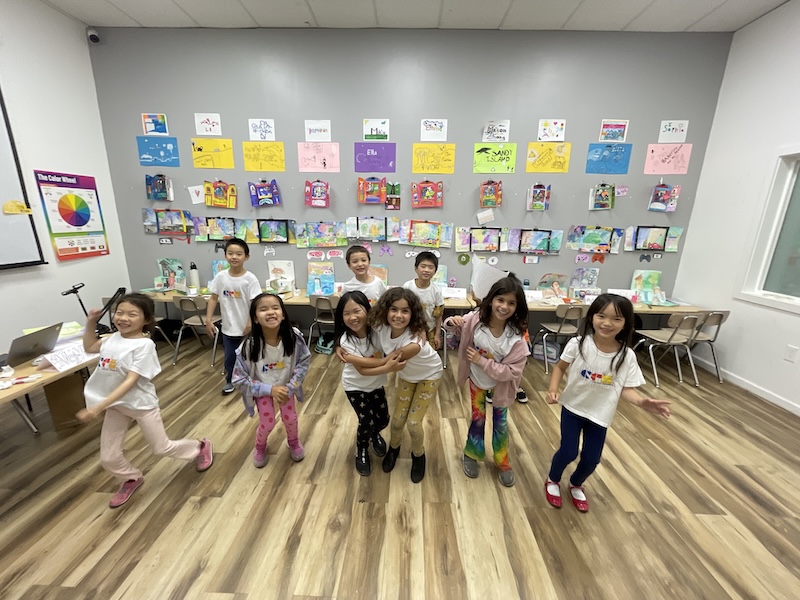
5 Benefits of Registering Your Child for an Art Summer Camp
Discover 5 benefits of enrolling your child in an art summer camp, including creativity development, social skills, confidence building, and fun learning.
Why Every Child Should Experience a Children’s Art Class?
The Perfect After-School Activity: Art Classes in Mountain View for Kids
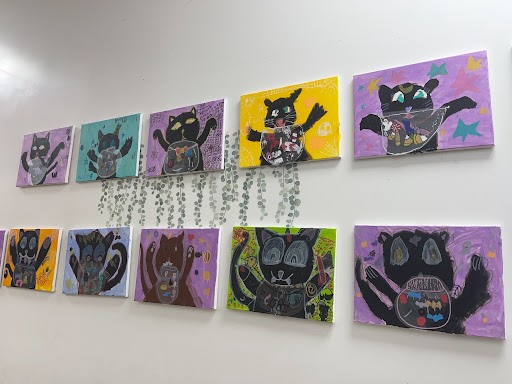
How Art Classes for Kids Encourage Emotional and Cognitive Growth?

Discover the Best Art Classes in Fremont for Kids
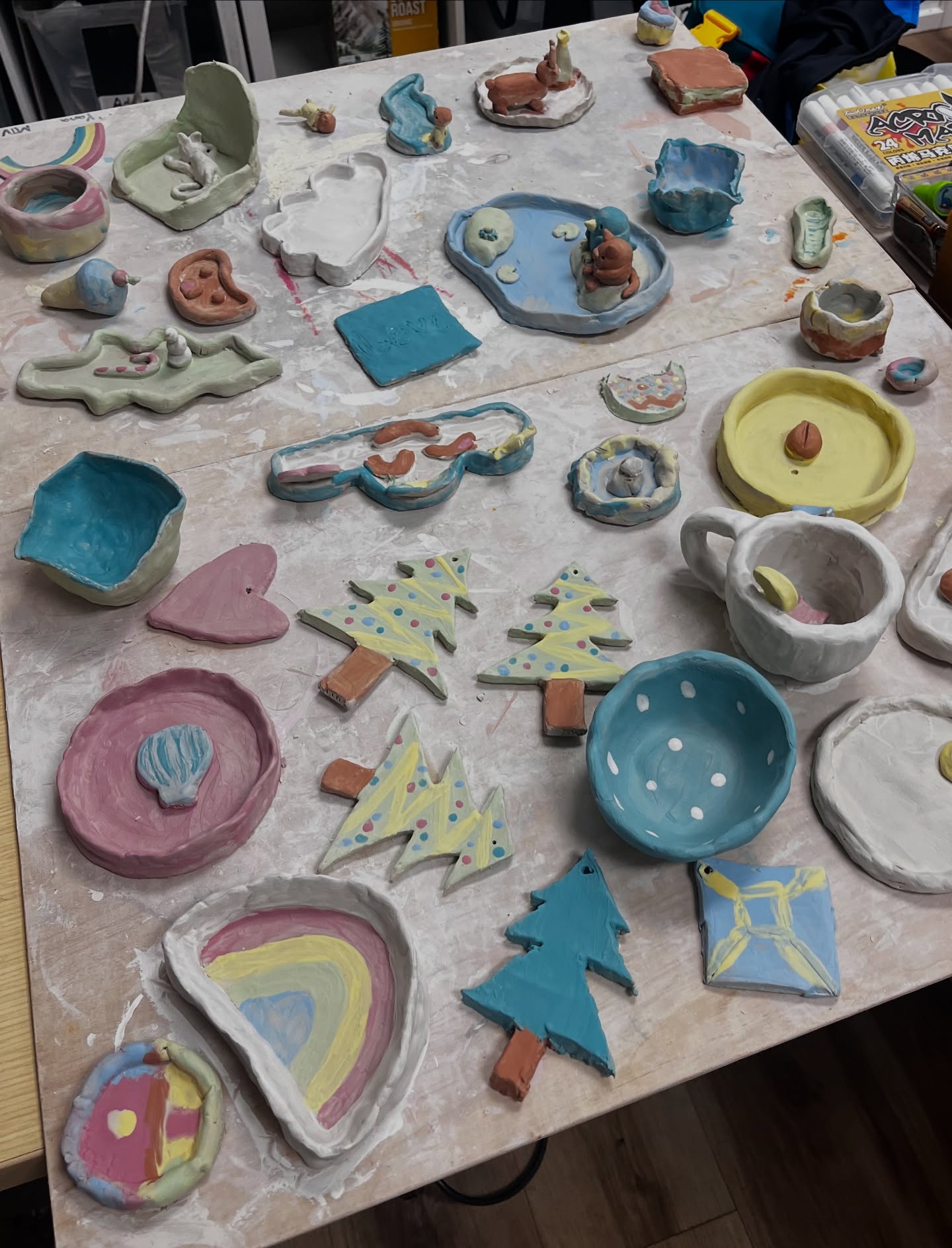
5 Reasons to Enroll Your Child in a Children’s Art Class Today

10 Reasons Why an Art Class for Kids Boosts Creativity and Confidence

How a Children’s Art Class Can Inspire Lifelong Passion?

Unlock Your Child’s Creativity with Art Classes in Belmont

How Does a Children’s Art Class Help with Emotional Development?

How Does an Art Class for Kids Boost Creativity and Confidence?

What Should You Look for When Choosing Art Classes in Mountain View?

What Makes Fremont Art Classes So Popular in 2025?

2025 IAMA Youth Art Contest and Exhibition
Unlock Your Child’s Artistic Potential: Finding the Right Art Class for Kids

Artistic Eyes: Exploring the Secrets of Composition

8/10 CalColor Open House tryout Classes Invitation

Teen Boot Camp: The Winning Strategy for College Applications

An Artistic Summer to Renew Kids’ Life: 4 Key Logics Reveal the Value of Art Camps

Brush of the Future: How Digital Art Empowers Children's Path to College and Career

Summer Camp Carnival: A Must-Attend Artistic Feast for All Ages

How to Visit an Art Museum – A Guide for Families

Changing Perspectives: How Art Transforms Students' Views of the Everyday
CalColor Academy's younger students recently explored car interiors. Students typically draw the outside of cars, but we asked them to focus on the details of dashboards, steering wheels, and AC vents. Different age groups used various techniques: younger students focused on basic shapes and one-point perspective, while older students honed advanced skills like hand drawing and shadow incorporation. These projects highlighted how art can change our perspective, revealing the extraordinary in the every day, a valuable lesson for our students on their artistic journeys.
Featured Articles
Business hours
Regular School Year Hours
(Aug 10, 2026 - May 30, 2027)
Mon - Fri: 2:00pm - 7:00PM (Newark closed on Mon)
Sat & Sun: 9:00AM - 6:30PM


