
How to Find the Right Creative Program for Your Learning Goals?
Written by
CalColor
,
August 18, 2026

Deciding on a way forward for your development in artistry appears to be similar to being faced with a blank canvas. The experience can be exhilarating, but let's admit it, it can also be somewhat scary. There are just too many choices around, and making a wrong decision will demotivate you as fast as a blunt pencil would. What you need is not just an inspiring place for development, but a place where your skills really improve. Whether it is about creative learning programs or your very first attempt at art, the choice takes time. Let's see how to make the best choice.
Start With Your "Why"
Before signing up for anything, figure out what you want. Do you want to master a specific medium? Are you preparing a portfolio for art school? Do you just need something to do for recreation?
Take a look at your skills. It is not necessary to be professional to attend the elite studio, but you have to understand if the class suits you. Do not get something general when you have your own ideas.
Look for Structure and Quality
Not all schools are built the same. You need a place that prioritizes a solid foundation. Look for programs that emphasize actual technique, not just "fun" projects.
- Check the instructor’s background and professional work.
- Ask to see student galleries from past years.
- Observe how the teacher explains complex concepts to beginners.
- Make sure the curriculum has a logical flow.
Ready to start your creative journey but not sure where to begin?
Evaluating Art and Creative Courses
When browsing art and creative courses, look beyond the glossy marketing photos. You want a program that pushes you to think differently. A great instructor will challenge your perspective rather than just telling you how to draw a tree.
Check if the environment feels collaborative. Art is solitary, but the learning process should feel like a community. If you feel like just another number in a spreadsheet, keep looking. You deserve a space that values your individual voice.
Convenience Matters for Success
Sometimes the best program is simply the one you can actually get to. If you live in the Peninsula, searching for art classes in Belmont can save you hours of commute time. Convenience removes the biggest barrier to consistent practice.
No practice means no improvement. It’s that straightforward. Seek out an area that will work with your weekly schedule without creating too much stress for you. Consistency is the magic ingredient to any successful artist.
Why You Should Prioritize Creative Education Courses
Investing in creative education courses is really about investing in yourself. These programs offer a feedback loop you cannot get by watching YouTube videos alone. A real teacher sees things you miss.
They catch the small mistakes in your perspective or shading that become bad habits later on. You need that expert eye to move from good to great. Don't underestimate the power of direct, face-to-face mentorship.
Seasonal Opportunities and Summer Fun
If you have a busy academic year, consider an art summer camp. They provide an intense learning experience in a condensed form. This is a good way to try out a new medium without getting into an annual program.
They are mostly highly energetic and very focused. You could learn something in three weeks that could take you three months otherwise. Not to mention, it’s also a great opportunity to make friends who share the same passion for art.
How We Fit In
At CalColor Academy, we believe that art is a language everyone can learn to speak fluently. We have spent years building a curriculum that balances technical discipline with pure, messy imagination. Our tutors aren’t just instructors, but practitioners of art who take your success to heart. Our emphasis is on developing the skills that will allow you to pursue any medium to your liking. No matter whether you intend to study at one of the best art schools or find yourself a lifelong pastime, our classes will get you there.
Conclusion
The right path will not come to you easily; sometimes you have to go through the process of trying a trial class or even contacting teachers with inquiries. It is essential that you take some time to understand your own learning style and that you don’t have to cram yourself into a style that isn’t right for you. Look for programs that provide honest and constructive criticism; the most successful creative learning programs are those that make you eager to walk in each week.
Frequently Asked Questions
1. Do you offer specialized creative learning programs for beginners?
Yes, we have programs designed specifically for beginners. Our programs help you learn the basics with the help of professional training. Every student, regardless of their skill level at the beginning, will receive adequate technical and personal training to develop as an artist.
2. How do I know if an art program is professional enough for me?
Try to find a program that teaches you not only the "how" but also the "why" of the techniques. A professional training program must have proper learning goals, professional and qualified teachers with degrees in art, and experience producing work that reflects the development of their students.
3. Is it better to learn art in a group or one-on-one?
Group settings usually tend to work better in terms of social motivation and observing how others solve similar problems. One-on-one settings, on the other hand, are able to provide instant feedback for learners. The ideal approach would therefore be a mixture of the two settings with the help of an art teacher.
4. How much practice does it take to make an actual improvement?
It's consistency, not intensity, that's the key every time. If you practice 30 minutes a day, it is much better than the five hours a week that you will cram for. The regularity of the small sessions is important for creating muscle memory and keeping your creative mind active - it's important to develop and master the art.
5. What kinds of things do I want to see in an art studio?
Try to find a clean, well-lit, and organized area. It is important that the setting is welcoming rather than intimidating. Take note of the rapport and participation between the students and the teacher; a positive, supportive, and collaborative environment is a good reflection of the studio's successful student development.
Author Bio
CalColor provides art education for young artists through regular classes, children's art programs, and seasonal art camps. Its programs are designed to develop creative skills and support students interested in artistic development, portfolio preparation, and progression toward art education opportunities.
(408) 818-8818CalColor AcademyWays to Help Kids Build Confidence Through Summer Activities
How Art Helps Children Express Their Ideas and Feelings?
Why Summer Is the Perfect Time for Young Artists to Explore Creativity?
Why Every Creative Child Should Experience an Art Summer Camp?
How an Art Class for Kids Improves Focus, Patience, and Problem-Solving Skills
How to Find the Right Creative Program for Your Learning Goals?
How a Children's Art Camp Supports Emotional and Social Development?
The Benefits of Joining Professional Art Classes for Skill Development
Fun Art Projects Kids Can Explore at a Children’s Art Camp
Why a Children’s Art Camp Helps Kids Build Creativity and Confidence?
Why Art Summer Camps Are Perfect for Creative Kids?
How Summer Art Programs Boost Creativity and Confidence?
How Kids Can Improve Drawing Skills Faster with the Right Guidance?
How an Art Class for Kids Encourages Imagination and Self-Expression
Top Benefits of Joining an Art Class for Kids at an Early Age
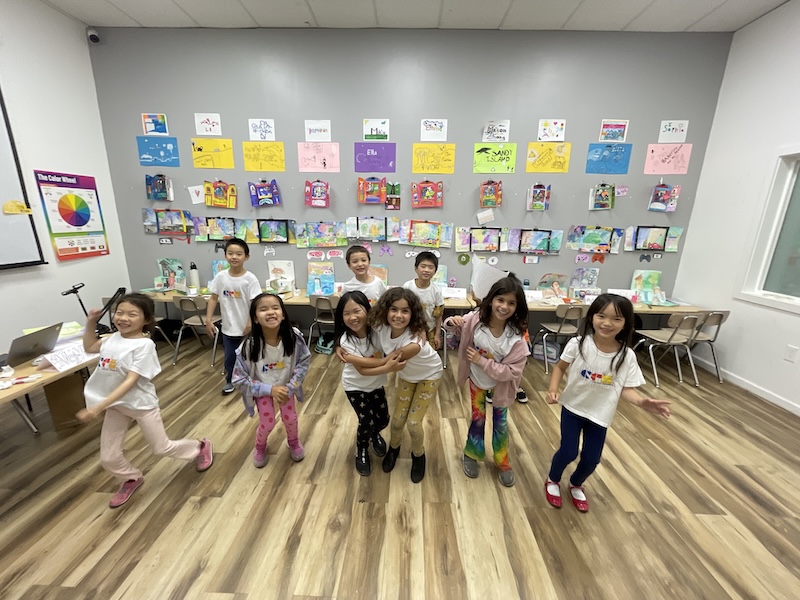
5 Benefits of Registering Your Child for an Art Summer Camp
Discover 5 benefits of enrolling your child in an art summer camp, including creativity development, social skills, confidence building, and fun learning.
Why Every Child Should Experience a Children’s Art Class?
The Perfect After-School Activity: Art Classes in Mountain View for Kids
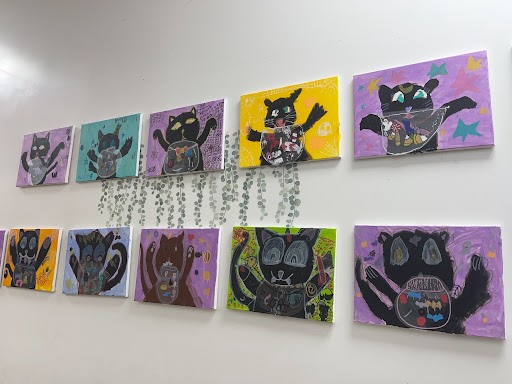
How Art Classes for Kids Encourage Emotional and Cognitive Growth?

Discover the Best Art Classes in Fremont for Kids
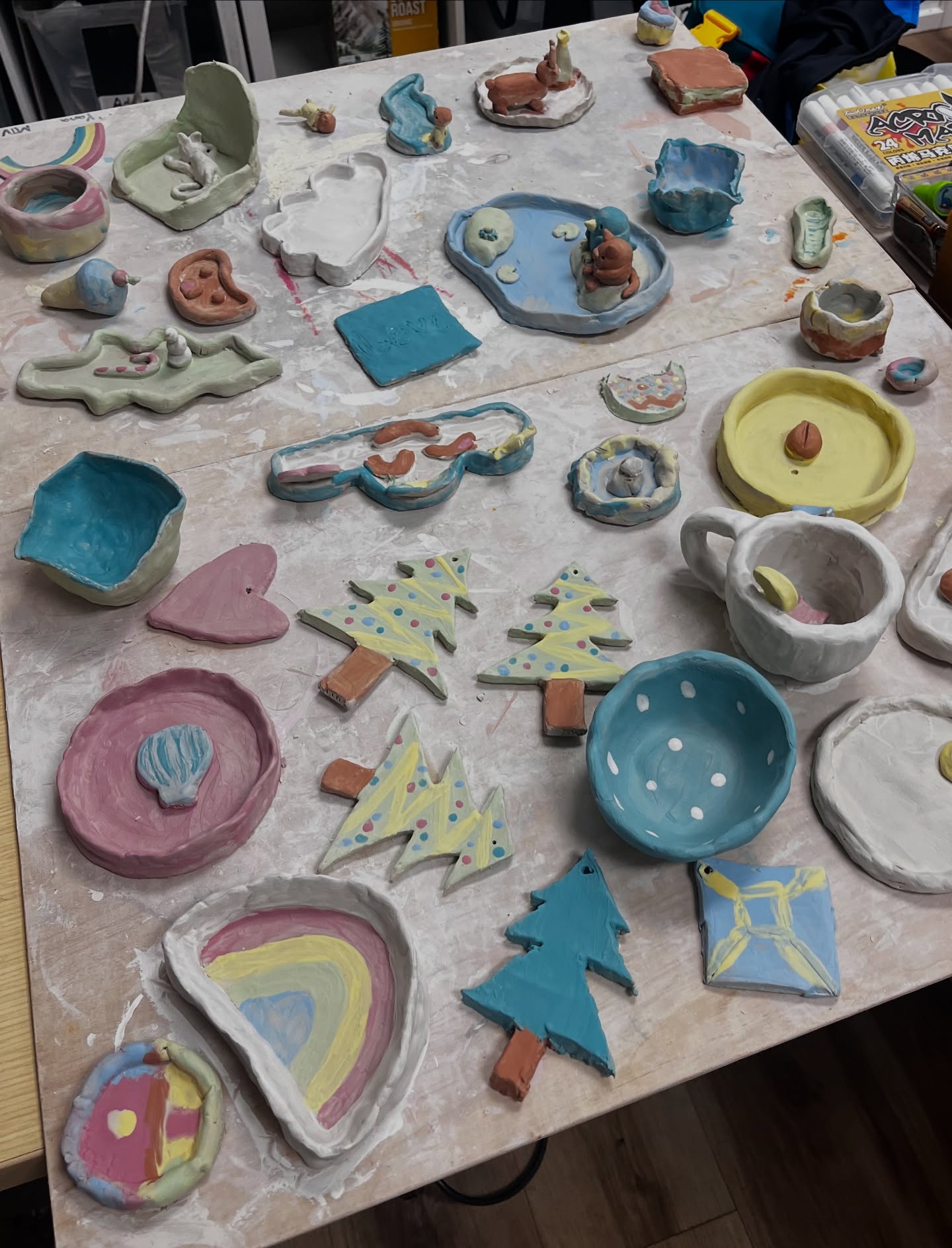
5 Reasons to Enroll Your Child in a Children’s Art Class Today

10 Reasons Why an Art Class for Kids Boosts Creativity and Confidence

How a Children’s Art Class Can Inspire Lifelong Passion?

Unlock Your Child’s Creativity with Art Classes in Belmont

How Does a Children’s Art Class Help with Emotional Development?

How Does an Art Class for Kids Boost Creativity and Confidence?

What Should You Look for When Choosing Art Classes in Mountain View?

What Makes Fremont Art Classes So Popular in 2025?

2025 IAMA Youth Art Contest and Exhibition
Unlock Your Child’s Artistic Potential: Finding the Right Art Class for Kids

Artistic Eyes: Exploring the Secrets of Composition

8/10 CalColor Open House tryout Classes Invitation

Teen Boot Camp: The Winning Strategy for College Applications

An Artistic Summer to Renew Kids’ Life: 4 Key Logics Reveal the Value of Art Camps

Brush of the Future: How Digital Art Empowers Children's Path to College and Career

Summer Camp Carnival: A Must-Attend Artistic Feast for All Ages

How to Visit an Art Museum – A Guide for Families

Changing Perspectives: How Art Transforms Students' Views of the Everyday
CalColor Academy's younger students recently explored car interiors. Students typically draw the outside of cars, but we asked them to focus on the details of dashboards, steering wheels, and AC vents. Different age groups used various techniques: younger students focused on basic shapes and one-point perspective, while older students honed advanced skills like hand drawing and shadow incorporation. These projects highlighted how art can change our perspective, revealing the extraordinary in the every day, a valuable lesson for our students on their artistic journeys.
Featured Articles
Business hours
Regular School Year Hours
(Aug 10, 2026 - May 30, 2027)
Mon - Fri: 2:00pm - 7:00PM (Newark closed on Mon)
Sat & Sun: 9:00AM - 6:30PM


