
Why Summer Is the Perfect Time for Young Artists to Explore Creativity?
Written by
CalColor
,
September 1, 2026
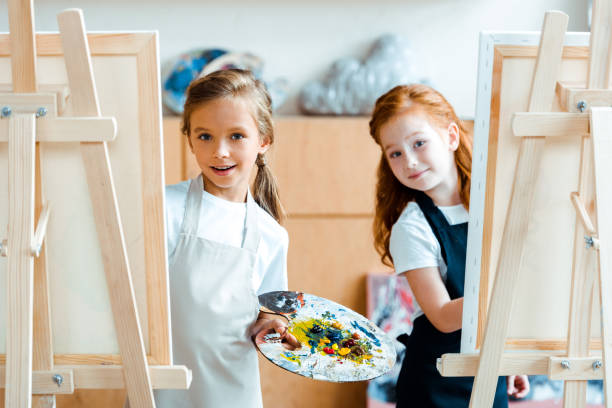
Summer break is finally here. For most kids, it’s all about sleeping in and playing games. But for a budding artist, these months are a goldmine of potential. School schedules often limit artistic expression to forty-minute blocks. That’s just not enough time to get into a real flow state. Summer changes everything. It gives kids the breathing room to get messy, make mistakes, and build something unique. Whether it’s their first time picking up a brush or they’re already sketching masterpieces, with Calcolor Academy, a creative summer camp is the perfect way to turn that extra time into real growth.
Why Your Child Needs a Creative Summer Camp
During the school year, art is often just another task. You have to finish the project before the bell rings. Summer is different. It’s about freedom. Without homework or tests looming, the brain shifts.
When kids have hours to explore, they stop worrying about being "perfect." They start focusing on being interesting. This shift is where true progress happens.
- Experimentation leads to confidence.
- More time equals deeper focus.
- Reduced pressure helps creativity flourish.
- Connecting with peers sparks new ideas.
When you remove the deadline, art stops being a chore. It becomes a playground. This is why a creative summer camp is such a game-changer for a young artist’s confidence.
The Benefits of a Youth Art Camp
A youth art camp offers something a classroom can’t: a community of like-minded kids. When a child works alone, they hit walls. When they work with friends, they learn techniques through simple conversation and shared observation.
- Kids see different ways to use color.
- Feedback is provided to them immediately by mentors.
- Socializing improves mental health.
- Working on team assignments helps improve communication skills.
It’s not just about drawing better. It’s about being part of a tribe that values their vision.
Are you ready to give your young artist the summer of a lifetime?
[Sign Up for CalColor Academy]
Why Structured Practice Beats "Just Drawing"
Sure, kids can draw at home. But undirected practice can be frustrating. They might keep drawing the same thing over and over. They get bored. They quit.
Structured guidance provides a roadmap for their talent.
- Learning color theory basics.
- Mastering perspective and depth.
- Exploring new mediums like oil or clay.
- Understanding how to critique their own work.
This structure creates a foundation. Once they have these tools, they can create whatever they want, even long after the summer ends.
Keeping the Creative Spark Alive at a Kids Creative Camp
Parents often ask me how to keep kids engaged during the long break. The answer is simple: put them in a kids creative camp. It’s not just about keeping them busy; it’s about providing the right environment.
- Access to professional supplies.
- Mentors who know how to teach.
- A space where "messy" is encouraged.
- Challenges that stretch their abilities.
When you provide the right environment, the motivation follows. They won't just be "passing time." They will be leveling up.
Finding Their Unique Voice
Every artist has a voice, but it takes time to find it. During school, kids are often just following instructions. Summer allows them to pivot. Maybe they discover they love digital animation. Maybe they fall in love with clay sculpture.
- Exposure to various art styles.
- Time to iterate on a single idea.
- The freedom to express big emotions.
- The chance to fail safely.
Failure is a huge part of being an artist. If they draw a bad hand or pick the wrong color, Summer gives them the luxury of laughing it off and trying again tomorrow.
Why You Should Choose Us
We at CalColor Academy have faith in each kid’s distinct artistic journey. This studio space has been designed over many years to be a place that is more of an art studio than a regular classroom space. All of us are professional artists and understand how to communicate with children.
In our art class for kids, not only do we teach the children various techniques but also instill confidence in their creative abilities. If your kid wants to make a professional art portfolio, they can join us, or if they want to try something new as a hobby, they can join us as well.
Conclusion
Don’t let this summer go by just watching TV. Let your child discover the joy of creation and learning. A little time spent here can result in a lifetime of creativity for him. No matter what he discovers or improves on, he will benefit from his experience forever. Find a place and provide the materials, and you will see the results.
Frequently Asked Questions
1. Is CalColor Academy the best place for a creative summer camp?
Yes, CalColor Academy offers a well-defined program specifically designed for young artists. We ensure that every child gets a combination of technical training and creativity, so that not only do they enhance their abilities, but they also become more confident as artists.
2. How does summer art training improve school performance?
The ability to think critically, show patience, and pay attention to details is acquired during a children's art camp. Such qualities will prove to be very helpful in subjects such as math and science, where children can apply them when solving intricate problems.
3. What age is ideal for starting formal art training?
Four-year-olds may start experimenting with art, depending on the method used. Early childhood concentrates on physical development and communication through art, whereas older children will appreciate a more formal training approach, such as that offered by knowledge of anatomy, color theory, and software use.
4. Does my child need to be talented to attend?
Absolutely not. You do not need innate talent to benefit from art education. Art is a learnable skill, much like playing a sport. Our curriculum is designed to meet students where they are, focusing on progress, growth, and the joy of creating.
5. How do I know if my child is ready for advanced classes?
Readiness is less about age and more about interest and attention span. If your child shows a deep curiosity for drawing or spends significant time sketching, they are likely ready for more guided instruction to help them master new, challenging artistic concepts.
Author Bio
CalColor provides art education for young artists through regular classes, children's art programs, and seasonal art camps. Its programs are designed to develop creative skills and support students interested in artistic development, portfolio preparation, and progression toward art education opportunities.
(408) 818-8818CalColor AcademyWays to Help Kids Build Confidence Through Summer Activities
How Art Helps Children Express Their Ideas and Feelings?
Why Summer Is the Perfect Time for Young Artists to Explore Creativity?
Why Every Creative Child Should Experience an Art Summer Camp?
How an Art Class for Kids Improves Focus, Patience, and Problem-Solving Skills
How to Find the Right Creative Program for Your Learning Goals?
How a Children's Art Camp Supports Emotional and Social Development?
The Benefits of Joining Professional Art Classes for Skill Development
Fun Art Projects Kids Can Explore at a Children’s Art Camp
Why a Children’s Art Camp Helps Kids Build Creativity and Confidence?
Why Art Summer Camps Are Perfect for Creative Kids?
How Summer Art Programs Boost Creativity and Confidence?
How Kids Can Improve Drawing Skills Faster with the Right Guidance?
How an Art Class for Kids Encourages Imagination and Self-Expression
Top Benefits of Joining an Art Class for Kids at an Early Age
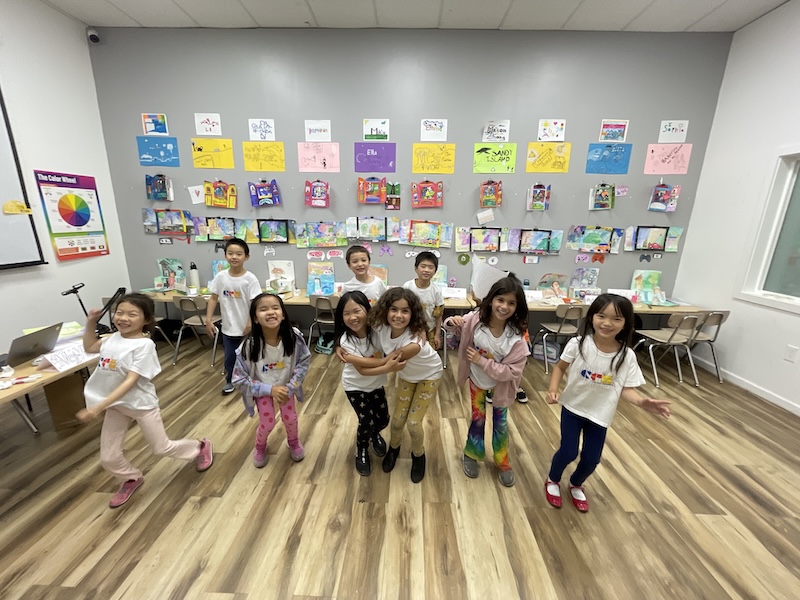
5 Benefits of Registering Your Child for an Art Summer Camp
Discover 5 benefits of enrolling your child in an art summer camp, including creativity development, social skills, confidence building, and fun learning.
Why Every Child Should Experience a Children’s Art Class?
The Perfect After-School Activity: Art Classes in Mountain View for Kids
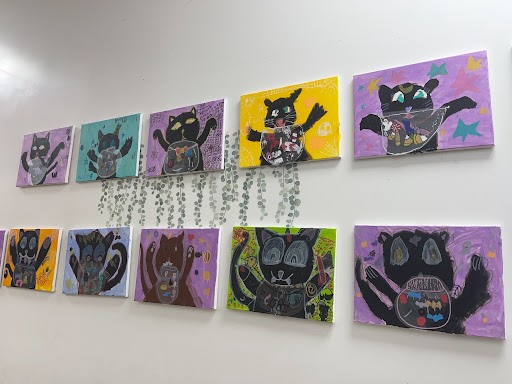
How Art Classes for Kids Encourage Emotional and Cognitive Growth?

Discover the Best Art Classes in Fremont for Kids
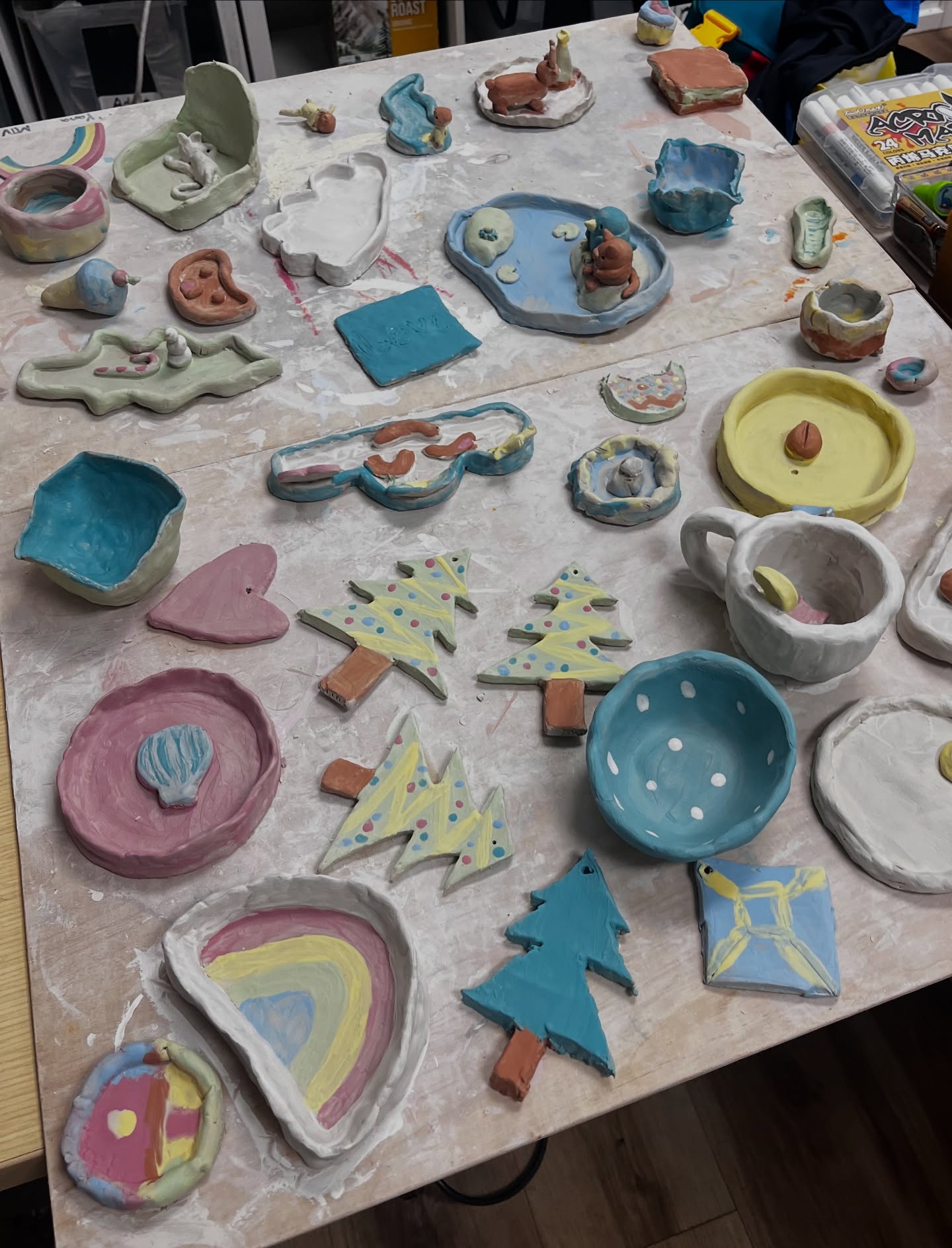
5 Reasons to Enroll Your Child in a Children’s Art Class Today

10 Reasons Why an Art Class for Kids Boosts Creativity and Confidence

How a Children’s Art Class Can Inspire Lifelong Passion?

Unlock Your Child’s Creativity with Art Classes in Belmont

How Does a Children’s Art Class Help with Emotional Development?

How Does an Art Class for Kids Boost Creativity and Confidence?

What Should You Look for When Choosing Art Classes in Mountain View?

What Makes Fremont Art Classes So Popular in 2025?

2025 IAMA Youth Art Contest and Exhibition
Unlock Your Child’s Artistic Potential: Finding the Right Art Class for Kids

Artistic Eyes: Exploring the Secrets of Composition

8/10 CalColor Open House tryout Classes Invitation

Teen Boot Camp: The Winning Strategy for College Applications

An Artistic Summer to Renew Kids’ Life: 4 Key Logics Reveal the Value of Art Camps

Brush of the Future: How Digital Art Empowers Children's Path to College and Career

Summer Camp Carnival: A Must-Attend Artistic Feast for All Ages

How to Visit an Art Museum – A Guide for Families

Changing Perspectives: How Art Transforms Students' Views of the Everyday
CalColor Academy's younger students recently explored car interiors. Students typically draw the outside of cars, but we asked them to focus on the details of dashboards, steering wheels, and AC vents. Different age groups used various techniques: younger students focused on basic shapes and one-point perspective, while older students honed advanced skills like hand drawing and shadow incorporation. These projects highlighted how art can change our perspective, revealing the extraordinary in the every day, a valuable lesson for our students on their artistic journeys.
Featured Articles
Business hours
Regular School Year Hours
(Aug 10, 2026 - May 30, 2027)
Mon - Fri: 2:00pm - 7:00PM (Newark closed on Mon)
Sat & Sun: 9:00AM - 6:30PM


