
How Art Helps Children Express Their Ideas and Feelings?
Written by
CalColor
,
September 22, 2026
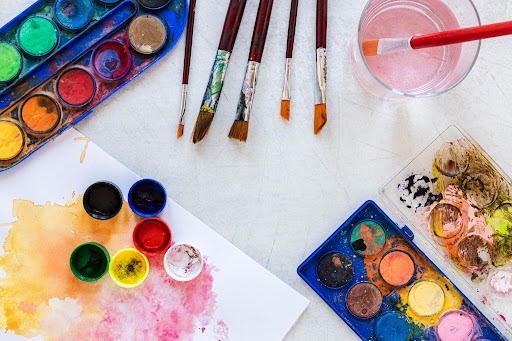
Ever watch your kid try to explain a bad day? They may either stomp their feet, walk out, or go absolutely silent. Children have extremely large and complex emotions but lack the language for expressing them. Art fills this gap. It is not just a case of drawing when children grab a crayon. They’re dumping their brain onto the page. Using art for children’s self-expression is basically a release valve for all that pent-up energy. It’s messy, it’s loud, and it’s honestly the most honest way for them to say, "This is who I am.
Why Creative Expression for Kids Actually Matters
Most parents think art is just a way to keep the living room quiet for an hour. But it’s so much more. It’s an exercise in being human. When they sit down with a blank sheet of paper, they aren't answering to a teacher or a test. For once, they are the total boss of that paper.
- It turns "I'm frustrated" into a bold, jagged line.
- It turns "I'm happy" into bright, sunny swirls of yellow.
- It gives them a huge win when other things feel way too hard.
- It stops them from bottling things up and acting out later.
The Real-World Benefits of Art for Children
Every parent wants their kid to be a math genius or a star athlete. But here’s the secret: art builds the specific brain muscles they need for everything else. When they figure out how to shade a circle or mix just the right shade of deep forest green, they’re doing high-level problem-solving. They’re learning how to look at the world and actually see it.
- They learn that mistakes aren't failures; they’re just new directions.
- Their focus improves because they get totally lost in the "doing."
- They get better at handling big feelings without breaking down.
- Their fine motor skills get a workout that a keyboard can’t give.
Ready to see your child discover their creative voice?
Choosing the Right Art Class for Kids
Not all children will grow up to become the next renowned artist, and that is okay. The goal is in the journey, not the result. If you are looking for an art class for kids, choose somewhere that places significantly more importance on the messy experimentation and exploration than creating something pretty. The key is a teacher who wants to know how something feels and not why the tree is purple.
- Seek out a space where the children are truly laughing and interacting.
- Find one if there is equipment to use: brushes, clay, charcoal, etc.
- Find a space that has an easygoing, fun atmosphere.
- Check if they encourage the kid’s own weird, unique ideas.
Trying a Children’s Art Camp
If you really want to see a shift in your kid, a children’s art camp can be a total game-changer. There’s something about spending a whole week on a project that changes a kid’s confidence. They start the week nervous, holding their breath, and end it showing off their work to everyone. It’s like they suddenly realize, "Hey, I can actually make things happen." It’s pure magic. Using art for children’s self-expression in a camp setting also builds a little tribe of friends who just get them. It's a social space where they don't have to be perfect.
A Note from CalColor Academy
We spend every single day at CalColor Academy watching kids find their voice through color and shape. We’ve seen the quietest kids become the loudest storytellers once they have a brush in their hand. It’s not about training them for a museum; it’s about giving them a way to handle the noise of the world.
We focus on the person, not just the painting. Whether they’re six or sixteen, when they leave our studio, they usually leave a little lighter than when they walked in. That’s the real goal. We want them to walk out with their heads held higher than before.
Wrapping It Up
At the end of the day, give your kid a pen, some paint, or even just some sidewalk chalk. Let them go completely wild. Don’t judge the final product. Just watch how they feel after the work is done. Using art for children’s self-expression is the simplest, cheapest therapy you can give them. It helps them be more themselves. And in a world that always wants them to fit in, that’s a pretty big deal.
Frequently Asked Questions
1. Does CalColor Academy help kids find their own style?
Yes, through encouraging the child’s ability to do things for himself, we highlight the importance of art to the child. We are not simply imitating great artists, but instead, we are laying a basis for the child’s ability to show exactly what is on his mind.
2. Is it bad if my kid makes a mess with their art supplies?
Not at all. Mess is usually a sign that they are really digging into the process. Either they are not making a mess, or they are trying to be too perfect. Allow them to make a mess. That is where most breakthroughs occur.
3. What if my child isn't naturally "artistic" at home?
Everyone is artistic. It isn't just about drawing perfectly; it’s about visual thinking. Even if they just want to build shapes out of clay or mix colors, they are learning how to look at the world differently and share their perspective on things.
4. How do I know if an art camp is a good fit for my child?
Find one where the individual choice of the student is most important. If they come back from camp and talk about what they made and how they made their choices with respect to the colors they used, you’ve found the right camp. If it’s just about making it look “right,” keep searching.
5. Does digital art count as "real" art for younger kids?
Totally. Regardless of whether it’s a pen or a tablet, the instrument doesn’t affect the artist’s intention. Digital artwork is simply another language. It works well for children who enjoy editing, undoing, and experimenting without the risk of ruining expensive materials.
Author Bio
CalColor provides art education for young artists through regular classes, children's art programs, and seasonal art camps. Its programs are designed to develop creative skills and support students interested in artistic development, portfolio preparation, and progression toward art education opportunities.
(408) 818-8818CalColor AcademyHow Art Helps Children Express Their Ideas and Feelings?
Why Summer Is the Perfect Time for Young Artists to Explore Creativity?
Why Every Creative Child Should Experience an Art Summer Camp?
How an Art Class for Kids Improves Focus, Patience, and Problem-Solving Skills
How to Find the Right Creative Program for Your Learning Goals?
How a Children's Art Camp Supports Emotional and Social Development?
The Benefits of Joining Professional Art Classes for Skill Development
Fun Art Projects Kids Can Explore at a Children’s Art Camp
Why a Children’s Art Camp Helps Kids Build Creativity and Confidence?
Why Art Summer Camps Are Perfect for Creative Kids?
How Summer Art Programs Boost Creativity and Confidence?
How Kids Can Improve Drawing Skills Faster with the Right Guidance?
How an Art Class for Kids Encourages Imagination and Self-Expression
Top Benefits of Joining an Art Class for Kids at an Early Age
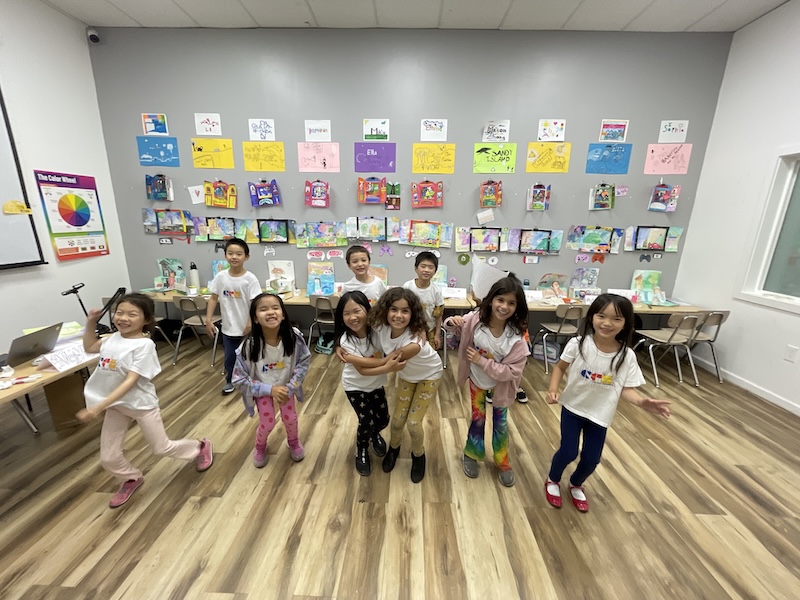
5 Benefits of Registering Your Child for an Art Summer Camp
Discover 5 benefits of enrolling your child in an art summer camp, including creativity development, social skills, confidence building, and fun learning.
Why Every Child Should Experience a Children’s Art Class?
The Perfect After-School Activity: Art Classes in Mountain View for Kids
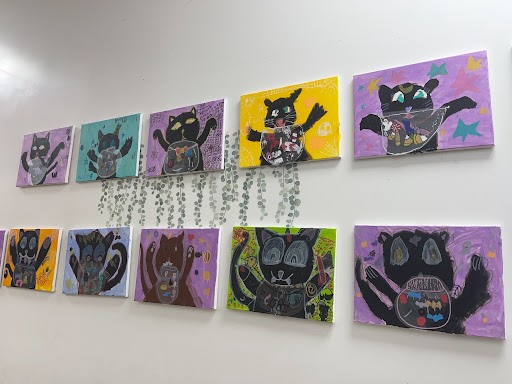
How Art Classes for Kids Encourage Emotional and Cognitive Growth?

Discover the Best Art Classes in Fremont for Kids
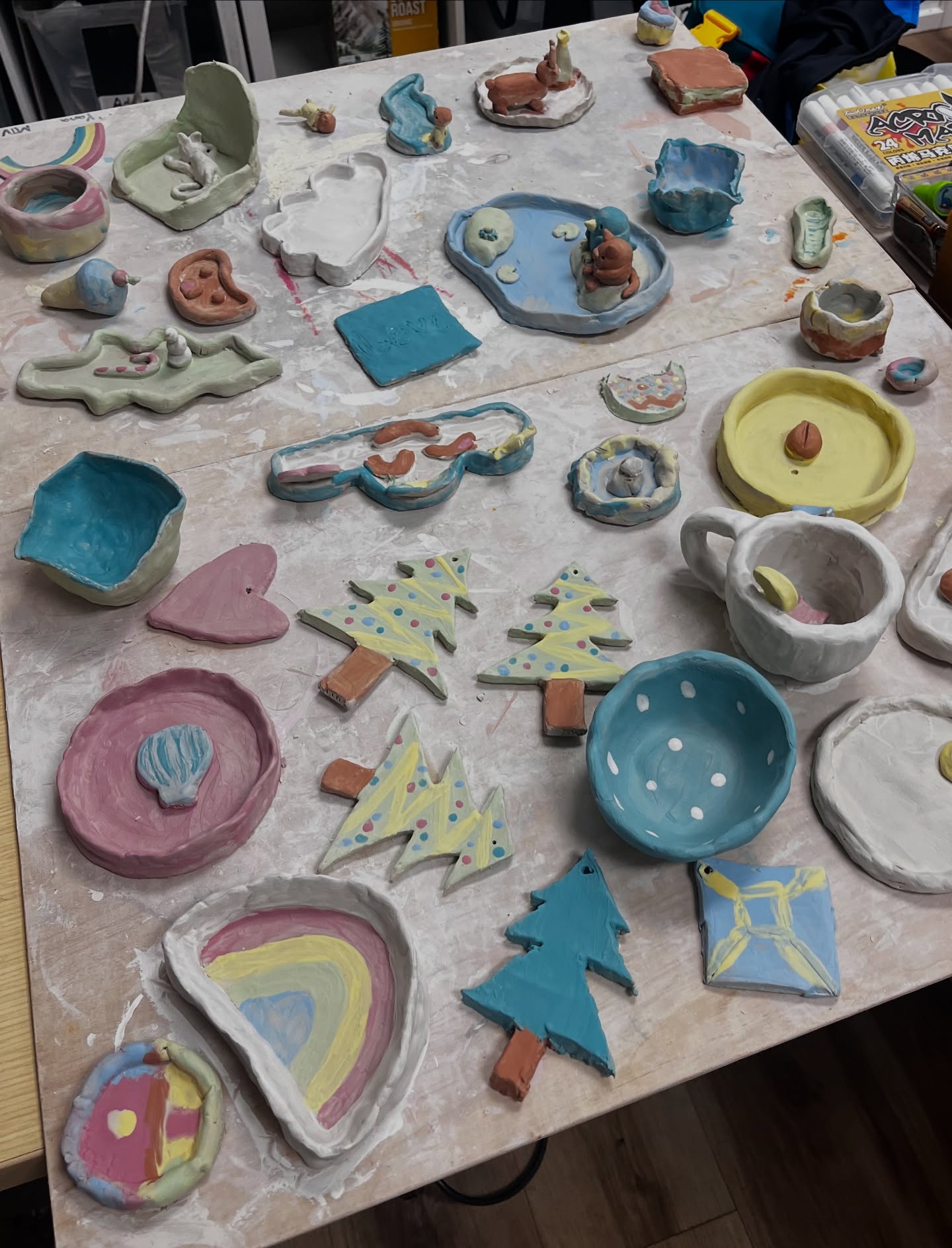
5 Reasons to Enroll Your Child in a Children’s Art Class Today

10 Reasons Why an Art Class for Kids Boosts Creativity and Confidence

How a Children’s Art Class Can Inspire Lifelong Passion?

Unlock Your Child’s Creativity with Art Classes in Belmont

How Does a Children’s Art Class Help with Emotional Development?

How Does an Art Class for Kids Boost Creativity and Confidence?

What Should You Look for When Choosing Art Classes in Mountain View?

What Makes Fremont Art Classes So Popular in 2025?

2025 IAMA Youth Art Contest and Exhibition
Unlock Your Child’s Artistic Potential: Finding the Right Art Class for Kids

Artistic Eyes: Exploring the Secrets of Composition

8/10 CalColor Open House tryout Classes Invitation

Teen Boot Camp: The Winning Strategy for College Applications

An Artistic Summer to Renew Kids’ Life: 4 Key Logics Reveal the Value of Art Camps

Brush of the Future: How Digital Art Empowers Children's Path to College and Career

Summer Camp Carnival: A Must-Attend Artistic Feast for All Ages

How to Visit an Art Museum – A Guide for Families

Changing Perspectives: How Art Transforms Students' Views of the Everyday
CalColor Academy's younger students recently explored car interiors. Students typically draw the outside of cars, but we asked them to focus on the details of dashboards, steering wheels, and AC vents. Different age groups used various techniques: younger students focused on basic shapes and one-point perspective, while older students honed advanced skills like hand drawing and shadow incorporation. These projects highlighted how art can change our perspective, revealing the extraordinary in the every day, a valuable lesson for our students on their artistic journeys.
Featured Articles
Business hours
Regular School Year Hours
(Aug 10, 2026 - May 30, 2027)
Mon - Fri: 2:00pm - 7:00PM (Newark closed on Mon)
Sat & Sun: 9:00AM - 6:30PM


