
How an Art Class for Kids Improves Focus, Patience, and Problem-Solving Skills
Written by
CalColor
,
August 20, 2026
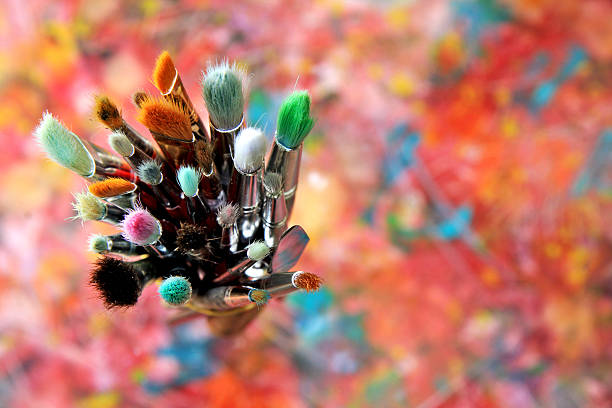
Ever notice how kids today can’t sit still for five minutes without a tablet stuck to their faces? My neighbor’s kid can’t even eat dinner without a cartoon playing. It’s a mess. We are raising a generation that expects everything to happen in three seconds or less. If you want your child to actually stop, breathe, and think, you might want to look into art class for kids. It sounds simple, but it’s actually the hardest workout their brain will ever get. It’s not about being the next Picasso; it’s about learning to pay attention.
Making Art Means Doing the Hard Work
You can't "speed-run" a painting. If you try to rush, the paint drips. If you don’t pay attention, the pencil slips. When a kid joins a children's art camp, they find out pretty quickly that things take time.
- Paint takes forever to dry.
- You have to sharpen your pencils constantly.
- Mistakes aren't just "game over" moments; you have to fix them.
- Patience isn't something you talk about; you just have to do it.
This is the stuff that builds grit. When they get frustrated, they have to put the brush down, walk away, and come back. That’s a life skill, not just an art skill.
Ready to help your child build real focus
The Real Deal on Problem Solving
Art isn't just pretty pictures. It’s a series of giant puzzles. "Why is the shadow on the wrong side? How can I make the cup look like it’s really on the table?" As they participate in art lessons for kids, they don't simply draw. Rather, they develop critical thinking skills about how the real world functions.
- They learn that one mistake doesn't ruin the whole project.
- They start to see that there is almost always a way to "pivot" a drawing.
- They learn to measure, look, and adjust.
This is exactly how creative thinking works in the real world. It’s not about magic; it’s about trying, failing, and trying a different angle.
Why Quality Matters
Not every studio is going to get this right. Some places just let kids throw glitter at paper and call it a day. That’s just a babysitting service. A real art education for kids needs a bit of structure. You need someone who can show them the "how," so they don’t get frustrated and quit.
Finding a Place Near You
If you’re local, don't just look for any place with a sign. If you’re checking out art classes in Belmont, look for a spot that actually focuses on the technical side. You want your kid to feel like they are leveling up, not just killing time. A good art class for kids makes them feel like they own their progress.
The CalColor Approach
At CalColor, we don't buy into the "just have fun" trap. Sure, art is fun, but the real magic is in the focus. We push our students to handle the hard stuff: the perspective, the color theory, the lighting. We want them to walk out of our studio knowing they can build something from nothing. It makes them quieter, more observant, and a hell of a lot more patient when life gets chaotic.
Frequently Asked Questions
Q. Is an art class for kids at CalColor worth the time?
Yes. If you want your kid to get off the couch and actually build a skill, this is it. Our sessions teach them to focus on the work, which builds patience and genuine problem-solving ability that they’ll use in school and beyond.
Q. Does this help even if my kid isn't focused?
Yes, this really does help. Once they see the progress they've made written down, they automatically slow down. It's not an issue of trying to make them be silent; it's a matter of providing them with something so interesting that they want to concentrate.
Q. How soon can a kid start drawing?
Age four or five is the perfect time to start. It’s fun for them to be able to do things and not have that "Oh, I'm just not good at this" barrier that they may reach later on.
Q. Do they need to be "naturally talented" to start?
Nobody is born knowing how to paint a portrait. It’s all just practice and technique. Talent is just a fancy word for someone who spent a lot of time failing until they finally got it right. We provide the tools; they provide the effort.
Q. What if they just want to mess around?
That's the starting point. We channel that energy into actual projects. Even "messing around" can be turned into a lesson on color or composition. It’s about taking that natural curiosity and giving it a bit of direction so they can actually finish what they start.
Author Bio
CalColor provides art education for young artists through regular classes, children's art programs, and seasonal art camps. Its programs are designed to develop creative skills and support students interested in artistic development, portfolio preparation, and progression toward art education opportunities.
(408) 818-8818CalColor AcademyWays to Help Kids Build Confidence Through Summer Activities
How Art Helps Children Express Their Ideas and Feelings?
Why Summer Is the Perfect Time for Young Artists to Explore Creativity?
Why Every Creative Child Should Experience an Art Summer Camp?
How an Art Class for Kids Improves Focus, Patience, and Problem-Solving Skills
How to Find the Right Creative Program for Your Learning Goals?
How a Children's Art Camp Supports Emotional and Social Development?
The Benefits of Joining Professional Art Classes for Skill Development
Fun Art Projects Kids Can Explore at a Children’s Art Camp
Why a Children’s Art Camp Helps Kids Build Creativity and Confidence?
Why Art Summer Camps Are Perfect for Creative Kids?
How Summer Art Programs Boost Creativity and Confidence?
How Kids Can Improve Drawing Skills Faster with the Right Guidance?
How an Art Class for Kids Encourages Imagination and Self-Expression
Top Benefits of Joining an Art Class for Kids at an Early Age
5 Benefits of Registering Your Child for an Art Summer Camp
Discover 5 benefits of enrolling your child in an art summer camp, including creativity development, social skills, confidence building, and fun learning.
Why Every Child Should Experience a Children’s Art Class?
The Perfect After-School Activity: Art Classes in Mountain View for Kids
How Art Classes for Kids Encourage Emotional and Cognitive Growth?

Discover the Best Art Classes in Fremont for Kids
5 Reasons to Enroll Your Child in a Children’s Art Class Today

10 Reasons Why an Art Class for Kids Boosts Creativity and Confidence

How a Children’s Art Class Can Inspire Lifelong Passion?

Unlock Your Child’s Creativity with Art Classes in Belmont

How Does a Children’s Art Class Help with Emotional Development?

How Does an Art Class for Kids Boost Creativity and Confidence?

What Should You Look for When Choosing Art Classes in Mountain View?

What Makes Fremont Art Classes So Popular in 2025?

2025 IAMA Youth Art Contest and Exhibition
Unlock Your Child’s Artistic Potential: Finding the Right Art Class for Kids

Artistic Eyes: Exploring the Secrets of Composition

8/10 CalColor Open House tryout Classes Invitation

Teen Boot Camp: The Winning Strategy for College Applications

An Artistic Summer to Renew Kids’ Life: 4 Key Logics Reveal the Value of Art Camps

Brush of the Future: How Digital Art Empowers Children's Path to College and Career

Summer Camp Carnival: A Must-Attend Artistic Feast for All Ages

How to Visit an Art Museum – A Guide for Families

Changing Perspectives: How Art Transforms Students' Views of the Everyday
CalColor Academy's younger students recently explored car interiors. Students typically draw the outside of cars, but we asked them to focus on the details of dashboards, steering wheels, and AC vents. Different age groups used various techniques: younger students focused on basic shapes and one-point perspective, while older students honed advanced skills like hand drawing and shadow incorporation. These projects highlighted how art can change our perspective, revealing the extraordinary in the every day, a valuable lesson for our students on their artistic journeys.
Featured Articles
Business hours
Regular School Year Hours
(Aug 10, 2026 - May 30, 2027)
Mon - Fri: 2:00pm - 7:00PM (Newark closed on Mon)
Sat & Sun: 9:00AM - 6:30PM


